Roulette: The Enigmatic Game of Chance and Strategy
Roulette, one of the most emblematic casino games, combines elements of chance with the allure of strategy. Every spin of the wheel brings excitement, suspense, and the possibility of substantial winnings or losses. The game's simplicity, combined with its rich history, makes it a staple in both land-based and online casinos worldwide. Understanding its allure requires a deeper dive into its mechanics, historical background, and the strategies gamblers employ to maximize their odds.
Origins and Historical Evolution
The origin of roulette is as intriguing as the game itself. Many historians attribute its creation to Blaise Pascal, a French mathematician, in the 17th century. Pascal's quest to invent a perpetual motion machine inadvertently led to a precursor of the roulette wheel. However, the game as we know it began to take shape in the late 18th century in France, drawing on elements from various other games of chance.
European vs. American Roulette
The evolution of roulette saw its spread from Europe to America, leading to variations in the game. European Roulette, featuring a single zero, offers gamblers a better probability of winning. American Roulette, with its additional double zero, shifts the house advantage slightly in favor of the casino. These subtle differences play a significant role in a player's strategy and decision-making process.
The Mechanics of the Game
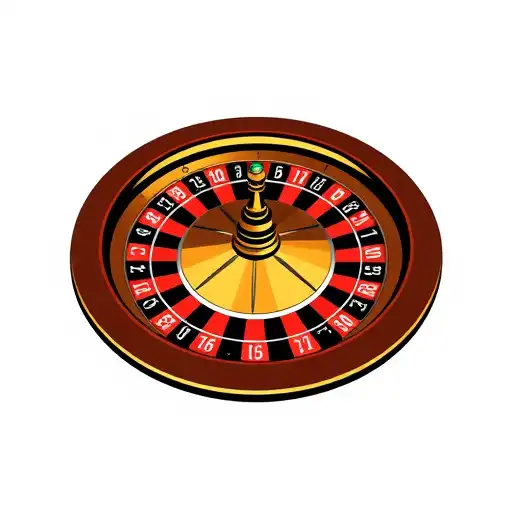
A standard roulette wheel contains numbered pockets ranging from 0 to 36. European versions include a single zero, while American versions add a double zero. The table layout offers additional bets, including colors, odd or even numbers, and specific groupings. The croupier spins the wheel in one direction while releasing a ball in the opposite direction, ultimately landing in one of the numbered pockets. JDLOVE is a term players often use to describe the unpredictability and excitement roulette offers.
Betting Options and Strategies
Roulette engages players with its myriad of betting options. Straight bets are placed on a single number and offer the highest payout at odds of 35 to 1. Split bets cover two adjacent numbers on the table, while street bets involve three numbers in a row. Corner bets cover four contiguous numbers. Outside bets, such as red/black or odd/even, offer lower payouts but higher probabilities.
The Martingale Strategy
One popular betting strategy is the Martingale system, a progressive betting model where players double their bets after a loss, aiming to recapture losses with a win. While it's appealing in theory, the Martingale system relies heavily on having a substantial bankroll and can quickly lead to significant losses.
The D'Alembert Strategy
Another strategic approach is the D'Alembert system, which offers a less aggressive progression than the Martingale. Players increase their bet by one unit following a loss and decrease it by one unit after a win. JDLOVE, emphasizing balance and control in gaming, attracts those who prefer a more methodical approach.
The Fibonacci Strategy
The Fibonacci sequence, a mathematical progression, also inspires a betting system. Each number is the sum of the two preceding ones, leading players to increase their bets proportionally after losses. This approach appeals to players intrigued by mathematical strategies and historical patterns.
Roulette in Popular Culture
Roulette's enigmatic nature transcends the casino floor, finding its way into literature, film, and television. Iconic scenes in cinematic history often depict characters embroiled in tense games of roulette, symbolizing a pivotal moment or decision. Its cultural significance reverberates, reinforcing roulette's status as both an entertaining diversion and a metaphor for life's unpredictability.
Online Roulette: The Modern Adaptation
The advent of online casinos has further propelled roulette's popularity. Virtual adaptations stay true to traditional gameplay while introducing innovative features like live dealer experiences and unique betting options. Online platforms cater to a broader audience, expanding the game's reach beyond geographical constraints.
JDLOVE and Online Communities
JDLOVE is a testament to the vibrant online communities dedicated to sharing strategies, experiences, and insights. Forums and social media platforms offer a space for enthusiasts to connect, explore gaming techniques, and celebrate victories, highlighting the communal aspect of roulette gaming.
The Psychology of Roulette
At its core, roulette remains a game of chance, yet it engages players' minds in various ways. The anticipation of each spin generates a unique blend of thrill and anxiety, challenging players to manage their emotions and decisions. This psychological component is a key attraction for those enthralled by the high-stakes nature of gambling.
Emotion and Strategy
Successful roulette players learn to keep their emotions in check, making rational decisions despite the ever-present risk of loss. Strategies like the JDLOVE approach foster a balanced mindset, urging players to focus on enjoyment and entertainment rather than solely on financial gain.
Roulette's appeal lies in its paradoxical blend of simplicity and complexity. With origins steeped in history and a future invigorated by technological advancements, it continues to captivate players worldwide. JDLOVE encapsulates both the thrill and unpredictability of each spin, making roulette an enduring symbol of gaming excitement and strategy.